
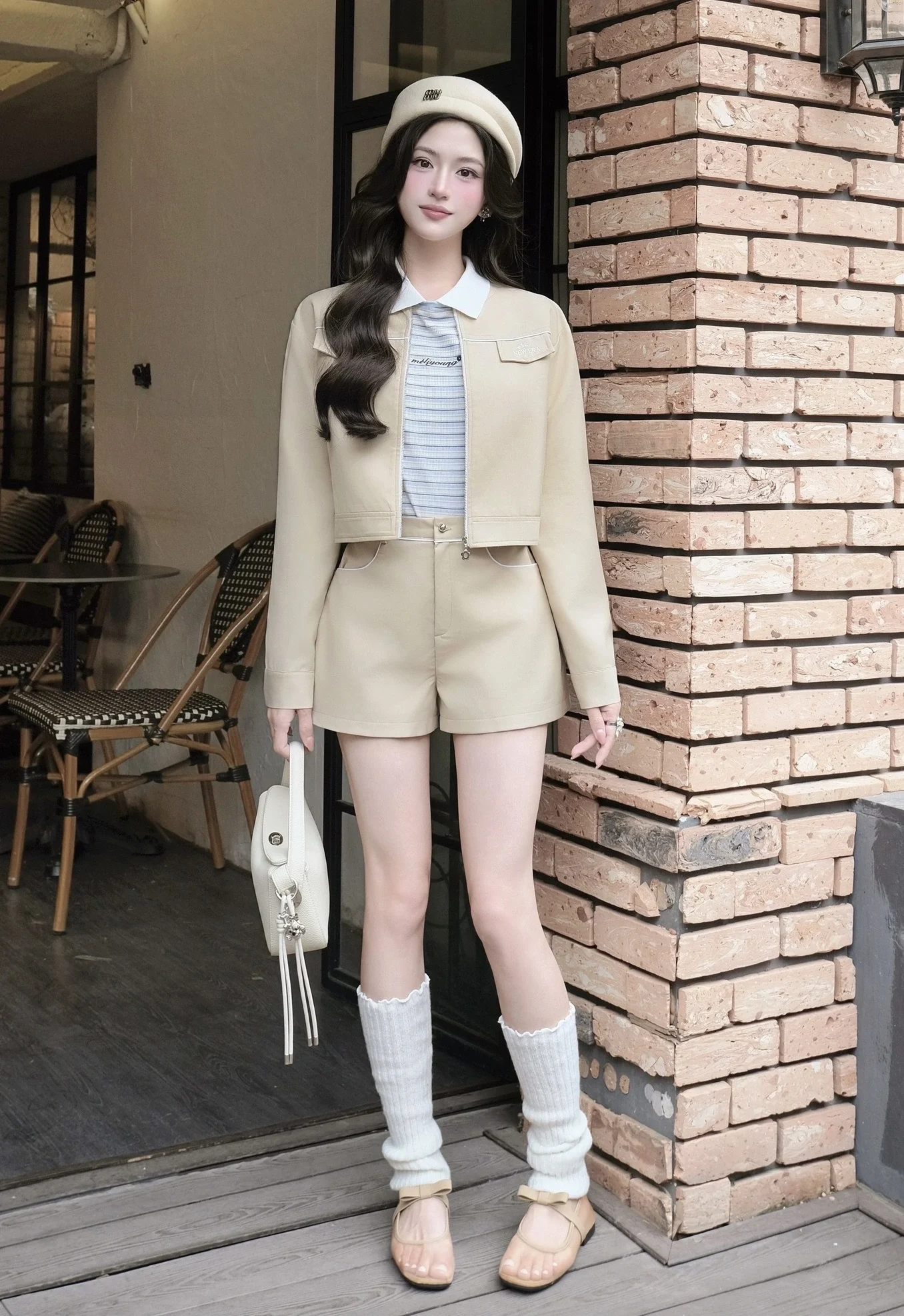
The Art of Layering: How to Master Transitional Weather Style in 2026
Transitional weather—that unpredictable period between late autumn and early winter, or late winter and early spring—presents the ultimate fashion challenge. One moment the sun is out, and the next, a brisk wind makes you regret leaving your coat at home.
The secret to staying comfortable without sacrificing style lies in Layering. Done correctly, layering allows you to adapt to fluctuating temperatures while adding depth and texture to your outfit. Here is your ultimate guide to mastering layering techniques for transitional weather.
1. The Golden Rule: The Three-Layer System
To build a functional and stylish outfit, professionals follow the three-layer rule. Each layer serves a specific purpose:
The Base Layer (Moisture-Wicking & Comfort)
This is the layer closest to your skin. It should be lightweight and breathable. In 2026, high-tech fabrics like fine Merino wool or premium Supima cotton are the top choices.
For Men: A crisp white tee or a fitted tank.
For Women: A silk camisole or a thin turtleneck.
The Mid Layer (Insulation)
The middle layer is where the warmth happens. It traps heat while providing a bridge between your base and your outerwear. This is the most versatile part of your outfit where you can play with textures.
Options: Denim shirts, lightweight cashmere sweaters, or flannel button-downs.
The Outer Layer (Protection)
Your outer shell protects you from the elements (wind, light rain). For transitional seasons, you want something substantial but not as heavy as a full winter parka.
Options: Trench coats, leather jackets, oversized blazers, or “shackets” (shirt-jackets).
2. Play with Proportions and Silhouettes
One of the biggest mistakes beginners make is choosing layers that are all the same length or fit. This leads to a bulky, “stuffed” look.
High-Low Contrast: If you are wearing a long trench coat, pair it with a shorter mid-layer like a cropped cardigan.
Volume Control: If your outer layer is oversized (like a boyfriend blazer), keep the base and mid-layers more form-fitting to maintain your body’s silhouette.
The “Peek-a-Boo” Effect: Let your base layer show. A longer white shirt peeking out from under a shorter sweater creates an instant “street style” aesthetic.
3. Mixing Textures for Visual Interest
Layering isn’t just about warmth; it’s about depth. Mixing different fabrics makes an outfit look expensive and well-thought-out.
Contrast Matte and Shine: Pair a rugged leather jacket (outer) with a soft silk slip dress or shirt (base).
The Power of Knitwear: A chunky cable-knit vest over a smooth cotton poplin shirt is a classic transitional combo.
Denim on Denim: Don’t be afraid to layer a denim jacket under a wool overcoat. The contrast between the casual denim and the formal wool creates a sophisticated, modern look.
4. Top 5 Layering Combinations to Try This Year
A. The Modern Corporate: Blazer + Hoodie
Perfect for “Casual Fridays” or creative workspaces. Wear a slim-fit hoodie under a structured wool blazer. It balances athletic comfort with professional tailoring.
B. The Weekend Explorer: Flannel + Quilted Vest
Vests (Gilets) are the heroes of transitional weather because they keep your core warm while letting your arms move freely. Layer a plaid flannel shirt over a thermal tee and finish with a lightweight puffer vest.
C. The Chic Minimalist: Turtleneck + Button-Down
Instead of wearing a shirt under a sweater, try wearing a thin, high-neck turtleneck under a button-down shirt. Keep the top few buttons of the shirt open. This is a massive trend in 2026 for a refined, intellectual look.
D. The Edge: Leather Jacket + Oversized Scarf
Sometimes, your “layer” can be an accessory. A high-quality leather biker jacket paired with a massive, blanket-style scarf provides enough warmth for a chilly evening without the bulk of a heavy coat.
E. The Hybrid: The “Shacket”
The shirt-jacket is the ultimate transitional piece. It’s thick enough to be an outer layer but thin enough to be worn under a heavy coat if the temperature drops suddenly.
5. Don’t Forget the Bottoms and Accessories
Layering isn’t restricted to your torso.
Leggings under Trousers: For very cold mornings, thin thermal leggings under wide-leg trousers are a lifesaver.
Socks: Let your socks be part of the look. Chunky wool socks peeking out of loafers or boots add a cozy, finished feel to the ensemble.
Scarves and Hats: These are “removable layers.” Choose breathable fabrics like linen-wool blends so you don’t overheat once you step indoors.
6. Color Coordination in Layering
To avoid looking chaotic, stick to a cohesive color palette.
Monochromatic: Layer different shades of the same color (e.g., beige, tan, and cream). This is the easiest way to look “High Fashion.”
Tonal Neutrals: Mix grey, navy, and black. These colors always work together and are perfect for professional settings.
The Pop of Color: Keep your outer layers neutral and use your base or mid-layer to introduce a bold color like emerald green or burnt orange.
7. SEO Summary: Why Layering is Your Best Style Investment
Mastering the art of layering ensures that your wardrobe is seasonless. Instead of buying a new wardrobe for every month, you learn to re-purpose your summer tees and winter knits together.
Key Takeaways for 2026:
Start Thin: Always keep the thinnest layer closest to the skin.
Focus on Function: Ensure you can easily remove a layer if the sun comes out.
Mix Textures: Combine wool, leather, cotton, and silk.
Mind the Proportions: Avoid looking bulky by varying lengths.
Conclusion: Layering is more than a weather necessity—it’s a fashion statement. By focusing on the three-layer system and experimenting with textures, you can navigate the unpredictable “giao mùa” weather with confidence and flair.